
Building insurance
Protection for the building and its insured structural components, such as walls, roof, installations and fixed equipment.


Your home is one of your most valuable assets. Property insurance helps protect your building, belongings and financial security against unexpected events.
Property insurance can protect your building, household contents and your liability to others.The right combination depends on your situation and needs.
Protection for the building and its insured structural components, such as walls, roof, installations and fixed equipment.
Protection for furniture, appliances, electronics and other insured household contents inside your home.

Protection against qualifying claims for damage or injury caused to others, such as neighbours or third parties.

A single event can cause damage to your building, your belongings and to others. Different types of insurance may help cover different costs.

The exact coverage depends on the selected policy and insurance provider.
The cost of property insurance depends on several factors. Understanding them can help you choose appropriate coverage.
See how property insurance can help in a typical situation.
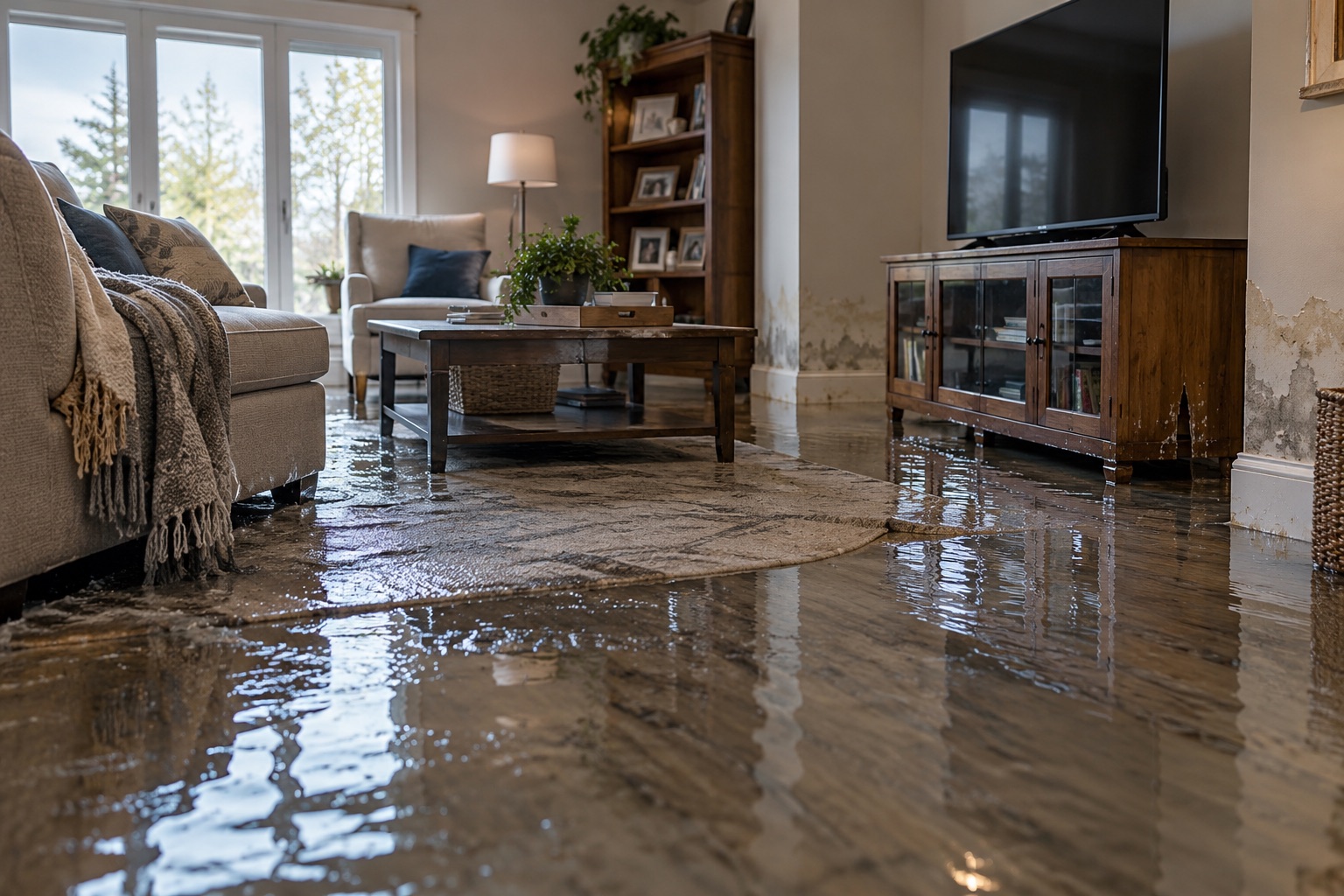
A burst water pipe at home causes significant damage to the floor, furniture and a neighbour’s apartment.
Building, household and liability insurance can provide:
Our advisory process is designed to help you find suitable protection for your needs.
We discuss your property, needs and potential risks.
We help you choose appropriate insurance types and coverage levels.
We compare available offers from insurance providers.
We assist with policy changes, claims and regular reviews.
Find answers to common questions about property insurance.
Building insurance protects insured structural parts and fixed equipment. Household insurance protects insured movable belongings such as furniture, appliances and electronics.
It may cover selected natural hazards such as storms, hail or flooding when they are included in the policy. Definitions, limits and exclusions vary.
It is not always mandatory, but it can protect you against qualifying claims when you or your household cause damage or injury to others.
The building is generally insured using an appropriate rebuilding value, while belongings are valued according to the policy method. An adviser can help estimate suitable insured amounts.
Underinsurance means the insured amount is significantly below the property’s appropriate insurance value. Under applicable policy conditions, this may reduce compensation after a covered loss.
Many policies cover defined water damage, such as damage from a burst pipe. Gradual leakage, poor maintenance or other exclusions may not be covered.
Yes. Tenants can usually insure their belongings and may add liability cover. The owner normally arranges building insurance, depending on the property and agreement.
Typical exclusions can include intentional damage, wear and tear, poor maintenance, unreported changes or risks not selected in the contract. Always review the policy terms.
Let’s discuss your home, belongings and individual risks, and find the right protection for you.


